Il Lean Thinking ha trasformato profondamente il modo di fare industria negli ultimi venticinque anni, ma oggi non basta più applicare strumenti isolati o avviare progetti di miglioramento occasionali. In un contesto segnato da mercati volatili, digitalizzazione e crescente attenzione alla sostenibilità, serve un salto di maturità verso il Lean World Class®: la metodologia proprietaria sviluppata da Bonfiglioli Consulting, che struttura il miglioramento continuo in 13 pilastri tematici — dal Cost Deployment al People Development, fino all’Environmental Energy Sustainability — ciascuno con responsabilità chiare, un roadmap di maturazione e risultati misurabili. Il modello integra la dimensione digitale come abilitatore dei processi e riconosce nella sostenibilità non un tema parallelo, bensì una parte integrante della performance industriale. L’obiettivo è costruire organizzazioni capaci di trasformare il miglioramento in una competenza diffusa e duratura, combinando la guida strategica del management con la responsabilizzazione dei team operativi.
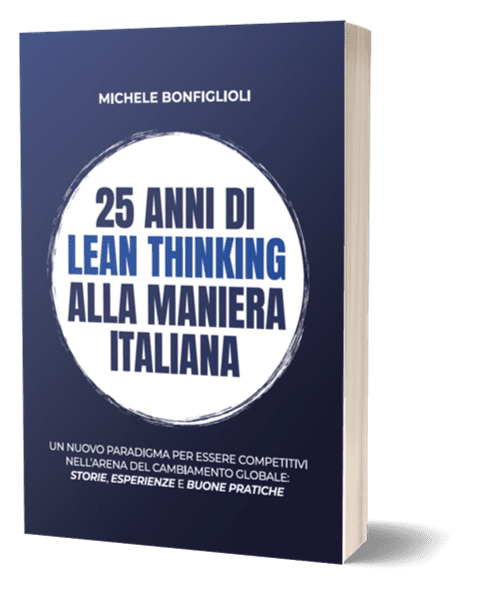
Il Lean World Class® rappresenta oggi il nuovo paradigma del miglioramento industriale. Per anni il Lean Thinking è stato la bussola per eccellenza, ma in uno scenario segnato da volatilità, pressione competitiva, innovazione tecnologica e transizione ambientale, non basta più applicare singoli strumenti o avviare progetti isolati. Serve un salto di maturità: trasformare il Lean in un sistema strutturato, misurabile e capace di integrare performance, persone, digitale e sostenibilità. È questo il cuore del nuovo progetto editoriale di Michele Bonfiglioli: 25 anni di Lean Thinking alla maniera italiana, dedicato proprio all’evoluzione verso il Lean World Class®.
Ci sono idee che restano attuali perché sanno cambiare forma senza tradire la propria forza. Il Lean Thinking è una di queste. Negli ultimi venticinque anni ha trasformato radicalmente il modo di concepire il lavoro, i flussi, gli sprechi, il valore per il cliente. Ha insegnato alle imprese a guardare con occhi diversi i processi produttivi, a rendere visibili le inefficienze, a costruire metodo dove prima prevalevano abitudini, urgenze o improvvisazione. Ma proprio perché è un paradigma vivo, oggi il Lean è chiamato a fare un passo ulteriore: restare fedele ai propri principi fondanti aprendosi, allo stesso tempo, alle grandi sfide del presente.
Il punto, quindi, non è capire se il Lean serva ancora. Serve eccome. Il vero tema è un altro: come renderlo adeguato a un contesto industriale molto più complesso rispetto a quello in cui si è diffuso inizialmente. Le aziende di oggi devono affrontare mercati instabili, supply chain sotto pressione, aspettative crescenti in termini di velocità, qualità e personalizzazione, oltre a una sempre maggiore attenzione alla sostenibilità e alla qualità dei dati. In questo scenario, il Lean non può più essere considerato una semplice raccolta di strumenti. Deve diventare un sistema di governo industriale più robusto, più disciplinato e più capace di generare risultati duraturi.
Molte aziende dichiarano di aver intrapreso un percorso Lean. E spesso è vero, almeno in parte. Hanno introdotto pratiche di 5S, kanban, TPM, workshop kaizen, visual management. Hanno avviato cantieri di miglioramento, magari ottenendo anche risultati concreti. Ma proprio qui si colloca una delle criticità più diffuse: l’applicazione frammentata del Lean. Quando il miglioramento resta confinato a strumenti isolati, a team ristretti o a iniziative non integrate, la conoscenza non si consolida e non diventa un patrimonio stabile dell’organizzazione.
Sulla base dell’esperienza maturata in oltre 25 anni di progetti nazionali e internazionali il Lean tradizionale ha mostrato i suoi limiti non perché fosse debole nei principi,ma perché è stato adottato in modo incompleto: spesso con forte energia iniziale, ma senza una struttura capace di reggere nel tempo; talvolta focalizzato su singole aree di costo, ma non sull’intero sistema; altre volte ancora privo di un reale collegamento con gli impatti economici e con la crescita delle competenze interne. Il risultato è noto: miglioramenti visibili ma non consolidati, iniziative valide ma non scalabili, entusiasmo iniziale seguito da rallentamento. Per questo oggi non basta più “fare Lean”. Bisogna costruire organizzazioni Lean. E costruirle significa trasformare il miglioramento in una competenza diffusa, in una responsabilità condivisa, in una disciplina manageriale capace di sopravvivere ai progetti e radicarsi nella quotidianità operativa.
È proprio da questa esigenza che nasce il Lean World Class®, la nostra metodologia proprietaria. Non una rottura con il Lean Thinking, ma il suo sviluppo più maturo: un modello che mantiene vivi i principi del Toyota Production System — valore, attività a valore, flusso, flusso teso, perfezione — e li struttura in modo più rigoroso, organizzato e misurabile.
La differenza sostanziale sta nella logica di sistema. Nel Lean World Class® ogni area di miglioramento è presidiata da pilastri tematici, ciascuno affidato a una responsabilità chiara, con una roadmap di maturazione e deliverable misurabili. Il miglioramento non è più affidato alla buona volontà dei singoli o a iniziative occasionali, ma entra nel disegno organizzativo dell’impresa. Questo significa passare da una cultura del progetto a una cultura del metodo.
Il cuore del sistema è l’ownership diffusa. Le responsabilità non restano nelle mani degli specialisti o di un ristretto gruppo di facilitatori, ma coinvolgono direttamente le persone di linea, cioè coloro che vivono i processi ogni giorno e possono davvero contribuire al loro miglioramento. È una trasformazione decisiva, perché sposta il baricentro del cambiamento: da qualcosa che “si implementa” a qualcosa che l’organizzazione impara a praticare.
Uno dei contributi più interessanti del modello è il superamento di un dilemma che accompagna da sempre i percorsi di trasformazione: il cambiamento deve essere guidato dall’alto o nascere dal basso? La risposta proposta dal Lean World Class® è chiara: entrambe le direzioni sono indispensabili. All’inizio serve una guida forte del management, capace di definire la visione, le priorità, gli obiettivi e le risorse. Ma perché il cambiamento duri, deve essere assorbito dalle routine, dai comportamenti, dalle decisioni operative e dalla responsabilità diffusa.
È qui che il modello acquisisce profondità. Il Top Management garantisce regia e coerenza strategica. I team operativi garantiscono radicamento, continuità e apprendimento. In mezzo, il sistema di pilastri e di governance crea l’infrastruttura che tiene insieme visione e azione. Questo equilibrio rende il Lean World Class® particolarmente rilevante per tutte quelle imprese che non vogliono limitarsi a “fare qualche progetto di miglioramento”, ma puntano a costruire un vantaggio competitivo stabile e replicabile.
Il Lean World Class® si fonda su una struttura a pilastri che copre in modo trasversale le funzioni aziendali. I Pilastri sono 13:
Ogni pilastro presidia un’area critica della performance e contribuisce a generare sinergie con gli altri per passare da uno stato reattivo a proattivo.

Nei Pilastri, il Cost Deployment riveste un ruolo centrale, perché introduce una disciplina spesso assente nei percorsi di miglioramento: la traduzione delle perdite in valore economico. Non basta sapere dove si trovano gli sprechi. Bisogna quantificarli, ordinarli, definire le priorità e finanziare gli interventi in modo coerente. È questo passaggio a rendere il miglioramento pienamente leggibile anche dal punto di vista manageriale e finanziario.
Allo stesso modo, il Focused Improvement rende sistematico il kaizen, l‘Autonomous Maintenance riporta gli impianti a condizioni di base stabili, la Professional Maintenance introduce logiche evolute di affidabilità, mentre il People Development conferma che il vero motore della trasformazione resta la crescita delle competenze. Il messaggio è semplice ma potente:non si costruisce un’ecellenza duratura senza persone preparate, responsabilizzate e coinvolte.
Un altro elemento distintivo del modello è la sua articolazione lungo una roadmap, che suggeriamo sulla base della nostra esperienza triennale. Il primo anno è dedicato alle fondamenta: audit iniziale, definizione del piano, attivazione dei pilastri più orientati agli standard, alla sicurezza e alle condizioni di base. Il secondo anno entra nel cuore del sistema: estensione ai pilastri più analitici, introduzione dei flussi digitali e primi risultati tangibili sul conto economico. Il terzo anno è quello della maturità culturale: automatizzazione dei flussi informativi, audit periodici, team capaci di agire in autonomia, approcci predittivi e il consolidamento del miglioramento come competenza organizzativa.
Questa scansione temporale è molto più di una semplice sequenza operativa. È una presa di posizione culturale. Dice alle imprese che l’eccellenza non nasce da un intervento spot, ma da un percorso progressivo, disciplinato e intenzionale. In un tempo in cui molte organizzazioni cercano scorciatoie, questa visione restituisce profondità al concetto di trasformazione.
Nella sua evoluzione più avanzata, il Lean World Class® si apre al Lean & Digital World Class®, in cui la dimensione digitale è trattata come un abilitatore del miglioramento. La raccolta dei dati, la loro archiviazione, analisi e visualizzazione diventano parte integrante del sistema, attraverso una logica che, dal campo, porta alla decisione.
Ma il principio più importante è un altro: senza qualità del dato non esiste miglioramento sostenibile. Dati frammentati, imprecisi o isolati non aiutano a decidere meglio. Al contrario, generano rumore, rallentano le scelte e indeboliscono la credibilità del sistema. È per questo che definire una sequenza è molto importante: prima costruire processi solidi, poi digitalizzarli in modo coerente, e solo dopo innestare le applicazioni più avanzate, inclusa l’intelligenza artificiale.
Questa lettura è particolarmente preziosa oggi. In molte imprese il rischio non è la mancanza di tecnologia, ma l’eccesso di tecnologia mal innestata su processi fragili. Il Lean World Class® ribalta questa impostazione: mette ordine prima di accelerare, crea basi prima di scalare, costruisce affidabilità prima di automatizzare.
Un’ulteriore evoluzione delle applicazioni Lean riguarda la sostenibilità. La tesi è netta: ogni spreco è anche un danno ambientale. Produrre troppo, movimentare inutilmente, disperdere energia, accumulare scorte non necessarie, generare rilavorazioni o scarti non è solo inefficiente dal punto di vista economico; è anche ambientalmente insostenibile.
Da qui discende un messaggio strategico: Lean e sostenibilità non sono due programmi distinti da tenere separati, ma due facce dello stesso approccio industriale. Migliorare l’efficienza significa anche ridurre il consumo di risorse, l’inquinamento e le emissioni. Ed è proprio in questa convergenza che il Lean Thinking riscopre una straordinaria attualità: non solo fare di più con meno, ma anche evitare di fare ciò che non serve.
Il libro 25 anni di Lean Thinking alla maniera italiana richiama, in questo ambito, strumenti specifici come il metodo SPPM – Sustainable Product & Process Management e il pilastro EES – Environmental Energy Sustainability, che permette di leggere gli sprechi energetico-ambientali con due metriche universali: euro e tonnellate di CO2. È un passaggio decisivo, perché porta la sostenibilità fuori dalla dimensione dichiarativa e la riporta nel linguaggio concreto dell’industria.
Il libro offre una visione integrata del Lean non come semplice toolbox di miglioramento, ma come base evolutiva di un nuovo paradigma competitivo, in cui rigore metodologico, misurabilità economica, crescita delle competenze, qualità dei dati e sostenibilità convergono in un unico sistema.
In altre parole, il Lean World Class® non è soltanto un modello per lavorare meglio. È un modello per rendere l’impresa più forte, più leggibile, più responsabile e più pronta ad affrontare il cambiamento. E oggi, in uno scenario globale che premia chi sa coniugare produttività, resilienza e visione, questo non è un dettaglio. È una condizione di competitività.
Il libro 25 anni di Lean Thinking alla maniera italiana accompagna il lettore dentro un passaggio decisivo: dall’applicazione del Lean tradizionale all’evoluzione verso il Lean World Class®, fino all’integrazione tra miglioramento continuo, digitale e sostenibilità.
Acquista il libro per scoprire:
L’autore del libro è Michele Bonfiglioli, imprenditore e CEO di Bonfiglioli Consulting, da oltre vent’anni affianca imprenditori e manager in Italia e nel mondo, guidando trasformazioni ad alto impatto con visione strategica e pragmatismo operativo. Docente presso Università e Business School e relatore in convegni internazionali, è appassionato di sfide e ultramaratoneta: ama portare nella gestione d’impresa la stessa disciplina che applica alla corsa.
Il Lean Thinking è una filosofia di management nata dal Toyota Production System che mira a creare valore per il cliente eliminando gli sprechi in tutti i processi aziendali. È ancora rilevante perché i suoi principi fondamentali — valore, flusso, eliminazione degli sprechi e miglioramento continuo — si applicano a qualsiasi contesto industriale. Oggi, però, deve evolversi per rispondere a sfide più complesse: volatilità dei mercati, digitalizzazione e sostenibilità.
Applicare singoli strumenti Lean — come 5S, kanban o kaizen — senza una struttura integrata produce miglioramenti puntuali che non si consolidano nel tempo. Quando il miglioramento resta confinato a team ristretti o a iniziative non coordinate, la conoscenza non diventa un patrimonio stabile dell’organizzazione. Serve un sistema di governo industriale più robusto, con responsabilità chiare e risultati misurabili.
Il Lean World Class® è la metodologia proprietaria sviluppata da Bonfiglioli Consulting come evoluzione naturale del Lean Thinking e del World Class Manufacturing. A differenza del Lean tradizionale, struttura il miglioramento in 13 pilastri tematici — tra cui Cost Deployment, People Development e Environmental Energy Sustainability — ciascuno con una roadmap di maturazione e con deliverable misurabili. L’obiettivo è portare l’azienda da uno stato reattivo a uno proattivo, trasformando il miglioramento in una competenza organizzativa diffusa.
Nel modello Lean & Digital World Class®, la tecnologia digitale è un abilitatore del miglioramento, non un punto di partenza. Il principio guida è chiaro: prima si costruiscono processi solidi, poi li si digitalizza in modo coerente, e solo successivamente si introducono applicazioni avanzate come l’intelligenza artificiale. Digitalizzare processi fragili genera rumore e rallenta le decisioni; la qualità del dato è il presupposto di qualsiasi miglioramento sostenibile.
Nel Lean Thinking ogni spreco è anche un danno ambientale: produrre troppo, movimentare inutilmente, disperdere energia o accumulare scorte comporta un costo sia economico sia ecologico. Il pilastro Environmental Energy Sustainability (EES) del Lean World Class® consente di misurare gli sprechi energetico-ambientali tramite due metriche universali: euro e tonnellate di CO₂. Lean e sostenibilità non sono programmi distinti, ma due facce dello stesso approccio industriale.
Ti è stato utile? Aggiungici come fonte preferita su Google



 ai translated