An integrated approach for concrete and measurable results
Lean Digital Transformation means building and implementing a digital transformation roadmap capable of integrate digital solutions into a mature operating model. The goal is twofold: to optimize processes and to provide the organization with greater speed, elasticity, decision-making ability and market competitiveness.
The heart of the method lies in the integration of the value chain, developed along two fundamental lines that enable real-time data exchange between systems, machines and people.
Vertical Integration - from Shop Floor to Top Management
It connects the different internal operational levels. Information flows from sensors and smart products to machinery and production lines, going all the way back to ERP management systems and Cloud platforms. This flow harmonizes functional areas, reduces waste and enables zero-defect production, ensuring total consistency between business strategy and daily execution. Key technologies: IIoT, M2M, MES, ERP.
Horizontal Integration - End-to-End Supply Chain
It connects business functions throughout the entire product lifecycle: from supplier relationships to production, logistics and the end customer. By synchronizing the information flow (orders, purchases) with the physical flow (materials), market response times are reduced and working capital is optimized, transforming the supply chain into a collaborative ecosystem.
Digital transformation produces measurable impacts on 8 key operational areas:
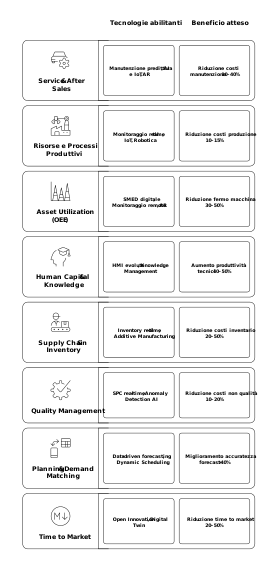
The areas of focus are multiple and pertain to different operational areas, each associated with enabling technologies and measurable economic benefits, elaborate on the expected benefits and areas of focus here.
Technology does not create value by itself. Evolved solutions-particularly those based on AI and analytics-generate tangible benefits only when grafted onto processes that are clear, streamlined and consistent with business strategy. Otherwise, the risk is digitizing existing inefficiencies, increasing complexity without achieving tangible results.
The first step is the Digital Assessment: we analyze your current situation and define the best roadmap for your company.



 ai translated